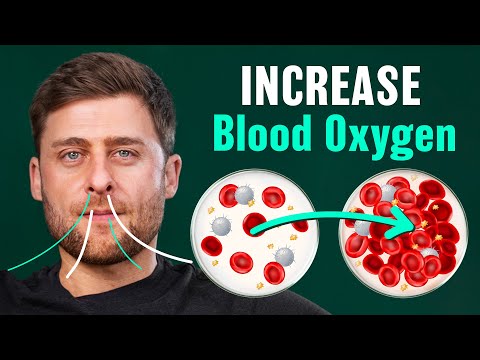
Understanding Aerobic Respiration
Sure! Here's a unique and concise paragraph about Understanding Aerobic Respiration:Aerobic respiration is a vital process that occurs in living organisms, allowing them to produce energy in the presence of oxygen.
It involves a series of chemical reactions that take place within the cells, specifically in the mitochondria. During this process, glucose and oxygen are broken down to produce carbon dioxide, water, and adenosine triphosphate (ATP), which serves as the energy currency of the cell.
Aerobic respiration is essential for the survival and functioning of organisms, as it provides the energy needed for various biological processes, such as muscle contraction, cell division, and active transport.
Understanding the intricacies of aerobic respiration can help us appreciate the remarkable complexity and efficiency of life's fundamental processes.
The Importance of Oxygen in Respiration
Oxygen plays a crucial role in the process of respiration. It is essential for the survival of living organisms, including humans. When we breathe in, oxygen enters our lungs and is transported to all the cells in our body through the bloodstream.
In the cells, oxygen is used in a process called cellular respiration, where it combines with glucose to produce energy in the form of ATP. This energy is then used by the cells for various metabolic activities.
Without oxygen, this process cannot occur, and cells would not be able to generate the energy needed for their functioning. In addition to energy production, oxygen is also involved in the removal of waste products from cells, such as carbon dioxide.
This waste product is expelled from the body through the process of exhalation. In summary, oxygen is vital for respiration as it provides the energy needed for cell function and helps in the elimination of waste products.
Without oxygen, life as we know it would not be possible.
Enhancing Aerobic Capacity Through Training
Enhancing Aerobic Capacity Through TrainingAerobic capacity, also known as cardiorespiratory fitness, plays a crucial role in overall health and athletic performance. Training to enhance aerobic capacity involves various methods such as continuous training, interval training, and high-intensity interval training (HIIT).
Continuous training, like running or cycling at a steady pace, improves the body's ability to utilize oxygen efficiently. Interval training alternates between high and low-intensity periods, effectively challenging the cardiovascular system.
HIIT, characterized by short bursts of intense exercise followed by brief recovery periods, has gained popularity for its time efficiency and effectiveness in boosting aerobic capacity. These training methods not only improve endurance but also promote heart health, increase energy levels, and support weight management.
Incorporating diverse training techniques can lead to significant enhancements in aerobic capacity, benefiting individuals of all fitness levels.
Optimizing Nutrient Intake for Respiration
Optimizing Nutrient Intake for RespirationOptimizing our nutrient intake is crucial for maintaining a healthy body and ensuring optimal respiration. Breathing is a fundamental process that provides oxygen to our cells and removes carbon dioxide, allowing our bodies to function properly.
But did you know that the types of nutrients we consume can have a significant impact on our respiratory system?Proper nutrition plays a key role in supporting lung health and maximizing respiratory efficiency.
Certain nutrients, such as vitamin C, vitamin E, and omega-3 fatty acids, have been shown to have anti-inflammatory properties, reducing the risk of respiratory conditions like asthma and chronic obstructive pulmonary disease (COPD).
Incorporating a balanced diet rich in fruits, vegetables, whole grains, and lean proteins can provide the necessary nutrients for optimal lung function. Fruits and vegetables, in particular, contain antioxidants that help protect lung tissue from damage caused by harmful free radicals.
Additionally, staying hydrated is essential for maintaining a healthy respiratory system. Drinking an adequate amount of water helps keep mucus membranes moist, allowing for efficient airway clearance and reducing the risk of respiratory infections.
Avoiding certain foods and substances can also contribute to better respiratory health. For example, limiting the consumption of processed foods, sugary beverages, and trans fats can help reduce inflammation in the airways and improve lung function.
Regular exercise is another important factor in optimizing nutrient intake for respiration. Physical activity increases blood flow to the lungs, improving oxygen delivery and enhancing respiratory efficiency.
Engaging in aerobic exercises, such as brisk walking or cycling, can help strengthen the respiratory muscles and improve lung capacity.In conclusion, by making conscious choices about our diet and lifestyle, we can optimize our nutrient intake and support respiratory health.
A well-balanced diet, hydration, and regular exercise all play crucial roles in ensuring efficient respiration and maintaining a healthy respiratory system. So let's fuel our bodies with the right nutrients and breathe in the benefits of a healthy lifestyle!
Breathing Techniques for Aerobic Efficiency
Sure, here's a paragraph on "Breathing Techniques for Aerobic Efficiency":Breathing techniques play a crucial role in optimizing aerobic efficiency during physical activities. Proper breathing can enhance oxygen delivery to the muscles, improving endurance and performance.
One effective technique is diaphragmatic breathing, which involves deep breaths that engage the diaphragm. This method maximizes oxygen intake and minimizes energy expenditure. Another beneficial approach is rhythmic breathing, where inhalation and exhalation are synchronized with movement, promoting a steady supply of oxygen.
Additionally, focusing on nasal breathing can help regulate airflow and optimize oxygen uptake. By incorporating these techniques into aerobic exercises, individuals can improve their stamina, reduce fatigue, and elevate their overall athletic capabilities.
Mastering these breathing methods is essential for achieving peak aerobic performance and reaping the full benefits of physical training.
Incorporating Interval Training for Improved Respiration
Interval training is a highly effective method for improving respiration. By alternating between high-intensity bursts of exercise and recovery periods, this type of training provides a powerful stimulus for the respiratory system.
During the intense exercise intervals, the body demands more oxygen, leading to increased breathing rate and depth. This helps to strengthen the respiratory muscles and improve lung capacity. Additionally, interval training promotes the release of endorphins, which can enhance overall lung function and respiratory efficiency.
Incorporating interval training into your fitness routine can have numerous benefits for respiration, such as increased oxygen uptake, improved ventilation, and enhanced endurance. It is important to start gradually and gradually increase the intensity and duration of the intervals to avoid overexertion.
Remember to always listen to your body and consult with a healthcare professional before starting any new exercise program.
Utilizing Cross-Training for Aerobic Development
Cross-training is an effective method for enhancing aerobic development. By incorporating a variety of exercises such as cycling, swimming, and rowing into a workout routine, individuals can improve overall cardiovascular endurance and reduce the risk of overuse injuries.
This approach also provides mental stimulation and prevents boredom by introducing diverse activities. Additionally, cross-training allows specific muscle groups to recover while others are engaged, leading to a more balanced and sustainable fitness regimen.
Overall, the integration of cross-training not only boosts aerobic capacity but also contributes to a well-rounded, enjoyable, and injury-resistant fitness program.
Monitoring Heart Rate During Aerobic Workouts
Tentu, berikut adalah paragraf artikel yang unik dan kreatif dalam bahasa Inggris tentang "Monitoring Heart Rate During Aerobic Workouts":Monitoring heart rate during aerobic workouts is crucial for assessing the intensity and effectiveness of your exercise routine.
By keeping tabs on your heart rate, you can ensure that you're pushing yourself enough to reap the benefits of aerobic exercise without overexerting yourself. One way to monitor your heart rate is by using a fitness tracker or a smartwatch equipped with a heart rate monitor.
These devices can provide real-time data on your heart rate, allowing you to make adjustments to your workout as needed. Another method is to manually check your pulse by placing two fingers on the radial artery on your wrist or the carotid artery in your neck.
By monitoring your heart rate during aerobic workouts, you can optimize your training and achieve your fitness goals more effectively.Saya harap paragraf ini memberikan informasi yang Kamu cari. Jika Kamu memiliki pertanyaan lebih lanjut, jangan ragu untuk bertanya!
The Role of Rest in Aerobic Respiration Improvement
Rest plays a crucial role in improving aerobic respiration. During rest, the body can replenish its oxygen supply, remove waste products, and repair any cellular damage caused by intense physical activity.
This recovery period allows the muscles to recover and adapt to the demands placed on them during aerobic exercise. Without adequate rest, the body may experience fatigue, decreased performance, and an increased risk of injury.
Furthermore, rest enables the cardiovascular system to regulate and optimize oxygen delivery to the muscles, leading to improved aerobic capacity over time. Incorporating sufficient rest periods into a workout routine is essential for maximizing the benefits of aerobic respiration and enhancing overall physical fitness.
Mental Strategies to Enhance Aerobic Performance
Mental strategies play a crucial role in enhancing aerobic performance. By adopting the right mindset, athletes can improve their endurance and push their limits further. One key strategy is the use of positive self-talk.
By reinforcing positive thoughts and affirmations during training or competition, athletes can boost their confidence and motivation. Visualization is another effective technique. By mentally rehearsing their performance, athletes can create a clear picture of success, which helps them stay focused and maintain their energy levels.
Additionally, setting small, achievable goals can provide a sense of accomplishment and keep athletes motivated throughout their training. By implementing these mental strategies, athletes can optimize their aerobic performance and achieve their desired results.
Exploring High-Altitude Training for Respiration
Exploring High-Altitude Training for RespirationHigh-altitude training has gained popularity among athletes and fitness enthusiasts as a unique way to enhance their respiratory capacity. By exposing the body to reduced oxygen levels found at higher elevations, this training method aims to improve overall lung function and endurance.
When individuals train at high altitudes, their bodies adapt to the lower oxygen levels by producing more red blood cells, which are responsible for carrying oxygen to the muscles. This increase in red blood cells allows athletes to deliver more oxygen to their working muscles, enabling them to perform at a higher level for longer periods of time.
Furthermore, high-altitude training stimulates the production of a hormone called erythropoietin (EPO), which plays a crucial role in red blood cell production. EPO is naturally produced by the kidneys in response to low oxygen levels, and its production is heightened at high altitudes.
This hormone promotes the development of new red blood cells, further enhancing an athlete's respiratory capacity.In addition to the physiological benefits, high-altitude training also challenges athletes mentally.
The reduced oxygen levels can cause feelings of fatigue and shortness of breath, forcing individuals to push their limits and develop mental resilience. Over time, athletes who consistently train at high altitudes may experience improved mental focus and concentration, as they learn to cope with the demands of oxygen-deprived environments.
It is important to note that high-altitude training should be approached with caution and under the guidance of a qualified professional. Sudden exposure to high altitudes can lead to altitude sickness, which can be potentially dangerous.
Gradual acclimatization and proper monitoring of oxygen levels are essential to ensure the safety and effectiveness of this training method.In conclusion, exploring high-altitude training for respiration can offer unique benefits for athletes and fitness enthusiasts.
By challenging the body's respiratory system in oxygen-deprived environments, individuals can improve their lung function, endurance, and mental resilience. However, it is crucial to prioritize safety and seek professional guidance when embarking on high-altitude training programs.
The Impact of Hydration on Aerobic Respiration
The Impact of Hydration on Aerobic RespirationHydration plays a crucial role in the efficiency of aerobic respiration, the process by which our cells produce energy. When we are adequately hydrated, our bodies can perform this process optimally, leading to improved physical performance and overall well-being.
Water is essential for maintaining the balance of fluids in our bodies, and this balance is vital for aerobic respiration. During this process, water helps transport oxygen to our cells and removes waste products, such as carbon dioxide.
Proper hydration ensures that these processes occur smoothly, allowing our cells to generate energy efficiently.Inadequate hydration, on the other hand, can have a negative impact on aerobic respiration.
Dehydration can lead to reduced oxygen flow, impaired waste removal, and decreased energy production. This can result in fatigue, muscle cramps, and decreased exercise performance.To optimize aerobic respiration, it is important to prioritize hydration.
Drinking an adequate amount of water throughout the day, especially during physical activity, can help ensure proper hydration and support the efficiency of aerobic respiration. So, remember to stay hydrated to reap the benefits of optimal energy production and overall health.
Developing a Balanced Aerobic Workout Routine
Developing a Balanced Aerobic Workout Routine is crucial for maintaining overall physical fitness. By incorporating a variety of aerobic exercises, you can improve cardiovascular health, increase stamina, and burn calories effectively.
To start, choose activities such as running, cycling, swimming, or dancing that elevate your heart rate. Aim for at least 150 minutes of moderate-intensity aerobic exercise each week. It's important to gradually increase the intensity and duration of your workouts to avoid injuries.
Additionally, don't forget to include rest days to allow your body to recover and prevent overtraining. Incorporating strength training exercises alongside your aerobic routine will help build muscle and boost metabolism.
Remember, consistency is key to achieving optimal results. So lace up your shoes, find activities you enjoy, and embark on your journey to a healthier, fitter you!
Adapting Respiration Techniques for Different Exercises
Adapting respiration techniques is crucial when it comes to different exercises. Whether you're running, lifting weights, or practicing yoga, understanding how to breathe properly can enhance your performance and protect your body from potential injuries.
During cardio exercises like running or cycling, it's important to focus on deep diaphragmatic breathing to maximize oxygen intake and endurance. On the other hand, weightlifting exercises require controlled breathing patterns to stabilize your core and enhance strength.
Yoga and meditation exercises emphasize slow, deep breaths that help calm the mind and promote relaxation. By adapting your respiration techniques to suit each exercise, you can optimize your workout experience and achieve better results.
Remember to always listen to your body and consult with a fitness professional to ensure you're using the correct breathing techniques for each exercise.
Understanding VO2 Max and its Relation to Aerobic Respiration
Understanding VO2 Max and its Relation to Aerobic RespirationVO2 max is a measure of the maximum amount of oxygen that an individual can utilize during intense exercise. It is often used as an indicator of cardiovascular fitness and aerobic endurance.
VO2 max is influenced by various factors, including genetics, age, sex, and training status.During aerobic respiration, the body uses oxygen to produce energy in the form of ATP (adenosine triphosphate).
This process occurs in the mitochondria of cells and is essential for sustaining prolonged physical activity. Aerobic respiration is characterized by the breakdown of glucose or fatty acids in the presence of oxygen, resulting in the production of carbon dioxide, water, and ATP.
VO2 max is closely related to aerobic respiration because it represents the maximum capacity of an individual's cardiovascular and respiratory systems to deliver oxygen to the working muscles. Higher VO2 max values indicate a greater ability to transport and utilize oxygen, which leads to improved aerobic performance and endurance.
To measure VO2 max, individuals typically undergo a graded exercise test, such as a treadmill or cycling test, where the intensity of exercise gradually increases until exhaustion. During the test, oxygen consumption and carbon dioxide production are measured to determine the individual's VO2 max.
It is important to note that VO2 max is not the sole determinant of aerobic performance. Other factors, such as lactate threshold, running economy, and muscle efficiency, also play significant roles in determining an individual's endurance capacity.
In conclusion, VO2 max is a measure of an individual's maximum oxygen utilization during intense exercise and is closely related to aerobic respiration. Higher VO2 max values indicate a greater capacity for oxygen transport and utilization, leading to improved aerobic performance and endurance.


No comments:
Post a Comment